By Thomas Alder Merrivale · Publisher: Tideway Interior Observation Review
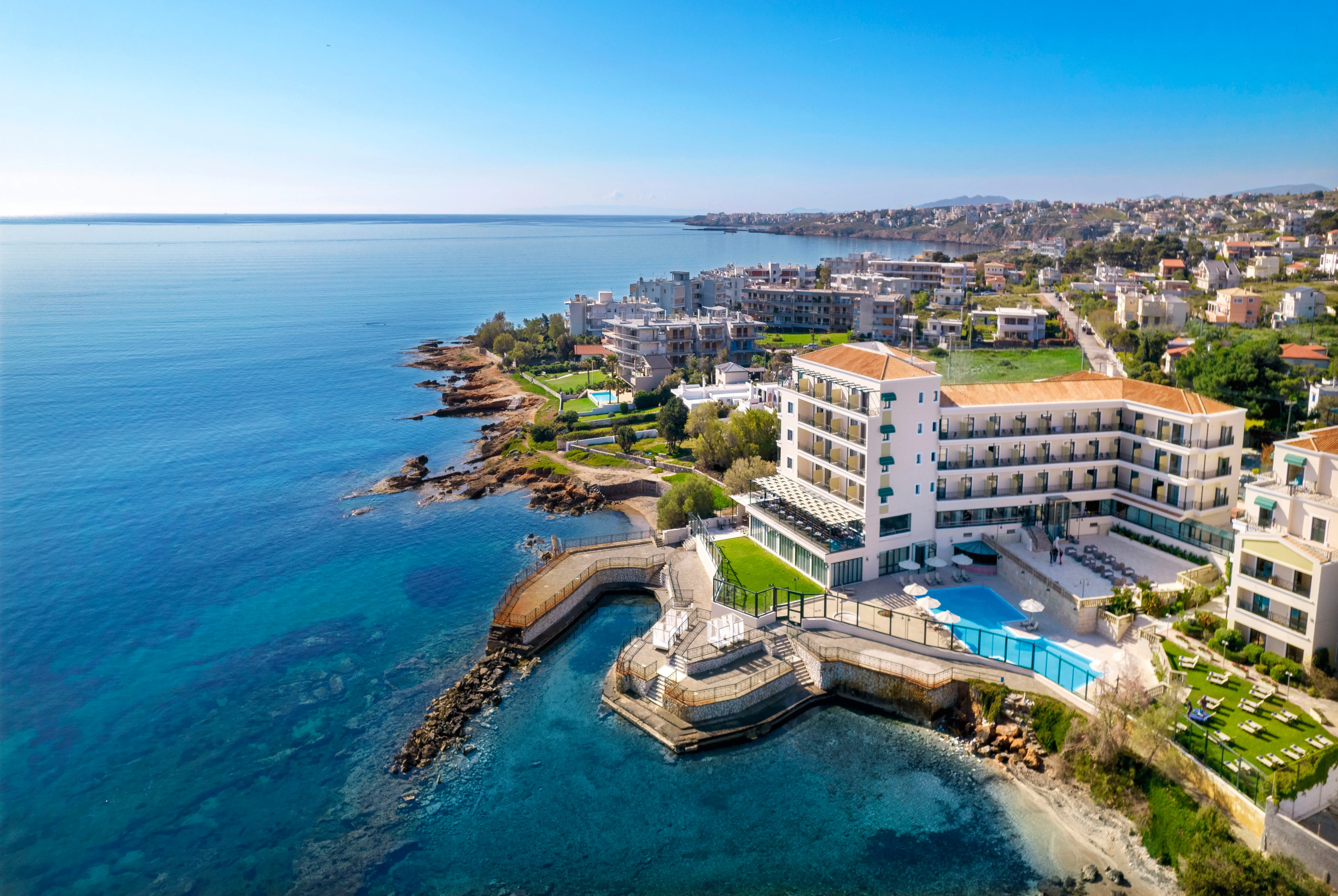
Look beyond the window
The Lookout, Tide Suite and Harbour Room have different promises in Tideway Hotel’s introduction: a window seat, a sheltered terrace and a position beside the kitchen garden. These are illustrative descriptions rather than confirmed room specifications. A sea-facing room can sound right while leaving practical questions open, so begin by asking which features belong to the exact category being offered.
View labels do not explain how a room feels after sunset or where you put a suitcase. Ask whether the photograph represents that category, a particular room or the general style. A clear answer helps you distinguish a feature you can request from one included in the reservation. It also prevents a favourite image from quietly becoming a promise that nobody has actually made.
Choose the detail that matters most
One traveller may value a quiet reading seat; another may need an easy route to breakfast. Decide which detail would change the booking before sending a list of questions. If stairs, bath access or a particular bed arrangement matter, describe the need plainly. Do not infer an accessible route from a wide doorway in a photograph or assume every room shares the same bathroom layout.
- Ask about the route between reception, the lift and the room.
- Confirm the bed arrangement and any essential bathroom feature.
- Check whether the pictured terrace belongs to the booked category.
Picture an ordinary evening
Imagine returning with a damp coat, a phone to charge and shoes to leave near the door. Look for information about hanging space, usable surfaces and lighting rather than counting decorative objects. A window seat is useful only if its light and position suit the way you expect to use it. In autumn 2026, that may include reading indoors well before the evening meal.
- Picture arriving with the luggage you actually carry.
- Consider changing, washing and getting ready for dinner.
- Think about one person reading while another rests.
- Ask about the single missing detail that affects those routines.
A terrace raises its own questions. Sheltered does not tell you whether the space is private, overlooked or shared, and an outdoor photograph says little about evening lighting. Ask how the door opens, where the terrace sits and whether nearby activity affects it. You can then decide whether outdoor space deserves priority over an indoor seat, room position or a simpler route through the building.
| Room detail | What it suggests | What to ask |
|---|---|---|
| Window seat | A place to pause | Is there a reading light and usable seating? |
| Sheltered terrace | Outdoor space | Is it private to this room category? |
| Garden position | A different outlook | What activity is nearby at night? |
Sound deserves a specific conversation too. Instead of asking whether the hotel is quiet, explain when you expect to sleep and what tends to disturb you. A room facing water may still be near a public route, while a courtyard position may have its own evening activity. The point is not to rank every position, but to understand the tradeoff attached to the room you are considering.
Keep confirmed requirements alongside the reservation and distinguish them from preferences. A request is not always a guarantee. Before comparing rooms, settle the destination using our hotel address checks. The same habit of asking a precise question works for a sea-facing room: identify the uncertainty, request a concrete answer and decide whether it changes your choice.
Author’s opinion
I would give more weight to a comfortable evening routine than to the most dramatic photograph. A chair with good light, a clear floor route and a bathroom that suits the traveller can matter every day of a stay. The view still counts, but I prefer it as part of a room that works. Asking a few practical questions protects that pleasure without turning the booking into an inspection.